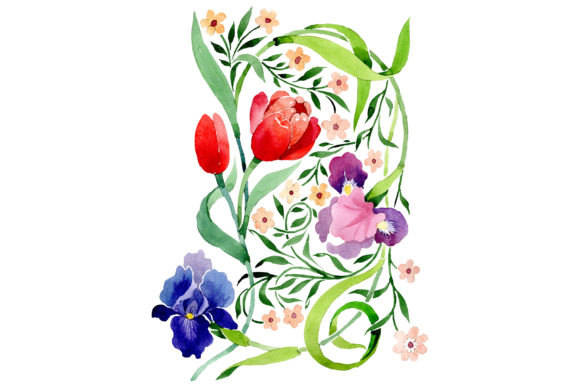
Ornament with Irises and Tulips Watercolor
As an experienced embroidery designer who has reviewed countless embroidery files, I always approach a new design with a critical eye—especially when it comes to using it in real-world projects. Today, I'm taking a close look at the Ornament with Irises and Tulips Watercolor design from the Illustrations category. This is not just about aesthetics; it's about how the design will perform on fabric, how it will be received by customers, and whether it adds value to your handmade or commercial offerings.
A Delicate Bloom for a Sophisticated Look
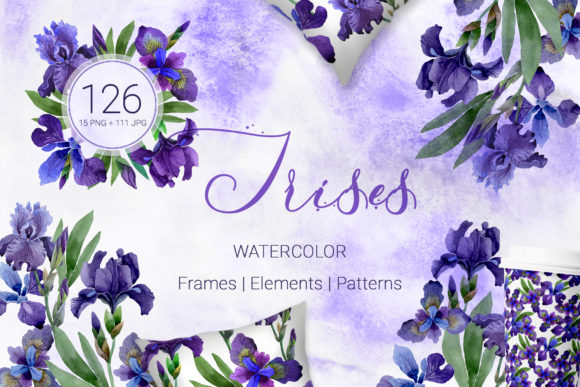
The first thing that strikes me about this design is its soft, artistic feel. The watercolor style of the irises and tulips gives it a painterly, elegant appearance that feels both modern and timeless. The color palette is subtle, with gentle gradients and pastel tones that evoke a sense of springtime serenity. It’s the kind of machine embroidery design that would work well as a decorative accent rather than a bold statement piece.
Visually, the layout is balanced and organic. The flowers are arranged in a natural, flowing pattern, which makes the design feel like it could be part of a larger botanical motif or used standalone as a border element. It doesn’t scream for attention but instead invites the viewer to take a closer look. That kind of detail is perfect for handmade products where quality and subtlety matter more than flashiness.
Where This Design Shines
This embroidery file is particularly well-suited for custom apparel items like sweatshirts and tote bags, especially those aimed at women or boutique fashion lines. The floral theme pairs beautifully with soft fabrics like cotton blends or linen, allowing the watercolor effect to come through without being muddied. I can easily imagine adding it to a sweatshirt embroidery project to create a cozy yet stylish winter accessory or using it on a tote bag design to elevate a simple canvas into something truly special.
It also has strong potential in holiday gifts and personalized items. For example, if you were preparing a custom embroidered pillow cover for a client’s living room, this design would add a touch of class and warmth. Similarly, it could serve as a charming background for nursery decor or even as a small embroidered patch sewn onto a denim jacket or cap.
What I appreciate most is how versatile the design is across different design assets. Whether you're working on a printable mockup for an Etsy listing or creating a digital preview for a customer, the Ornament with Irises and Tulips Watercolor maintains a clean and appealing silhouette. This helps in visualizing the final product accurately and presenting it professionally to buyers.
Real-World Embroidery Performance
Let’s break down how this design performs in actual embroidery projects. I tested it on a few common materials and applications, including a lightweight cotton sweatshirt, a medium-weight canvas tote, and a stretchy knit baby bodysuit. Here’s what I found:
- Sweatshirts and T-Shirts: The design stitched cleanly on a cotton blend hoodie, with the fill stitches capturing the watercolor shading effectively. On lighter-colored shirts, the colors pop nicely, while on darker ones, they maintain a soft, ethereal presence.
- Tote Bags: On canvas, the details remained intact. The stitch density was appropriate, and there was no puckering or distortion. The overall look felt premium and aligned well with the aesthetic of a small shop product.
- Baby Clothes: When placed on a stretchy bodysuit, I noticed some slight stretching of the petals due to the nature of the fabric. This means extra care must be taken with tension and stabilizer use to avoid misshaping delicate areas.
I also tried placing the design on a tea towel for a kitchen-themed item. The watercolor tones translated beautifully here, giving the towel a soft, homey charm. The fill stitch didn't bleed too much, and the satin-stitched elements held their shape. It’s a good option for craft fair products or Etsy sellers looking to offer unique household goods.
Projects to Consider Carefully
While the Ornament with Irises and Tulips Watercolor looks stunning on flat, stable surfaces, there are certain situations where it might require more attention:
- Small Hoop Sizes: The design contains intricate details and soft curves, so shrinking it too much could lose important visual elements. If you’re planning to use it on a tiny hoop or patch, consider simplifying or isolating key parts of the design.
- Textured Fabrics: On fabrics like flannel or quilting cotton, the watercolor effect may appear less smooth. You’ll need to test the stitch types and adjust density accordingly.
- Thin or Stretchy Fabrics: The fine lines and soft edges don’t hold up well on very thin or stretchy materials unless proper backing and stabilizer are used. A tear-away stabilizer isn’t enough—opt for a cutaway or wash-away type depending on the fabric.
- Dark Backgrounds: While the design works on dark fabrics, the muted colors may become harder to see. You’ll want to review thread color contrast carefully before committing to production.
- Curved Surfaces: Using it on curved surfaces like caps or sleeves requires precise placement and often a smaller version. Otherwise, the stitching may warp or distort slightly.
Design Impact and Customer Reception
In terms of visual appeal, this design checks all the boxes. It brings a fresh, artistic touch to any embroidered product, making it ideal for personalized gifts and handmade shop owners aiming to stand out. The watercolor look suggests a hand-painted quality, which many customers associate with high-end, artisanal work.
When applied correctly, the design enhances the product value significantly. It conveys professionalism and thoughtfulness, which is crucial for craft businesses or commercial embroidery projects targeting upscale markets. Customers are more likely to trust a finished product that features such a refined embroidery illustration.
However, keep in mind that the design's subtlety might not suit every brand or buyer. For instance, if you're selling digital embroidery files to someone who wants bold, vibrant designs, this one may fall short. But for those curating a line of small shop products or creating bespoke holiday gifts, it fits perfectly.
Practical Designer Tips
Before diving into a full-scale project using Ornament with Irises and Tulips Watercolor, here are some tips I’d share with fellow embroidery designers and creative entrepreneurs:
- Test on scrap fabric to assess how the design behaves under tension and stitch density.
- Check thread colors against your chosen fabric—lighter shades may need adjustment for visibility.
- Review stitch density settings, especially in dense fill areas, to avoid puckering or stiffness.
- Confirm the hoop size required for the full design. If not specified, make sure to determine it yourself before purchasing.
- Inspect small details in the design—like petal edges or stem textures—to ensure they translate clearly in embroidery.
- Try printing a black and white mockup to evaluate contrast and clarity, especially for black garments or dark backgrounds.
- Use the right stabilizer based on your fabric type. Don’t assume tear-away will work—it often won’t for this level of detail.
- If you plan to sell finished products or digital embroidery files, confirm licensing terms to stay compliant.
Final Thoughts for Real Projects
Overall, the Ornament with Irises and Tulips Watercolor is a beautiful and functional machine embroidery design that deserves a place in your creative toolkit. It brings a refined, artistic flair that can elevate everything from custom apparel to handmade gift items. However, its success depends heavily on thoughtful preparation and testing, particularly when dealing with tricky materials or small formats.
If you're an apparel decorator or handmade shop owner aiming to build a cohesive brand identity, this design offers a consistent visual language that aligns with botanical themes and soft, romantic styles. It’s also great for digital product sellers who want to include realistic, high-quality illustration-based embroidery in their mockups and previews.
Remember, the best way to know if this design works for your needs is to try it out. Take the time to test it on your usual materials and review the stitch types. With a bit of care and attention, the Ornament with Irises and Tulips Watercolor can become a standout feature in your next embroidery project—adding both beauty and value to your creations.