French Fries with Sauce Watercolor Review for Embroidery Projects
As an embroidery designer who’s spent years evaluating machine embroidery designs for real-world use, I know how important it is to see a design through the lens of practicality and visual impact. When I first saw French Fries with Sauce Watercolor, I was drawn in by its whimsical charm and soft, hand-painted aesthetic. But before jumping into any project—especially one meant for sale or client work—I like to test a design thoroughly. Here’s my honest take on how this illustration performs in actual embroidery scenarios.
A First Look: Mood and Visual Personality
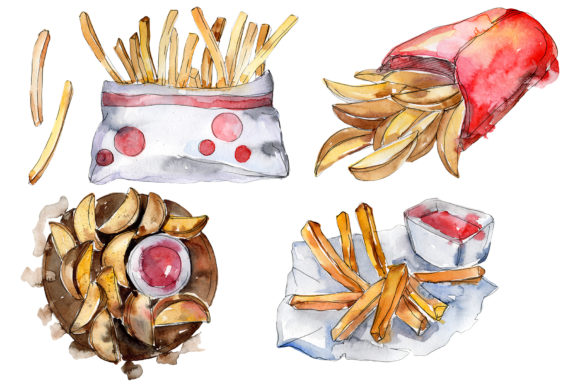
The French Fries with Sauce Watercolor design brings a playful, casual vibe to the table. It features a cluster of golden-brown fries with a generous drizzle of sauce that feels organic and fluid. The watercolor style gives it a softness that’s perfect for adding character without overwhelming the fabric. It doesn’t scream for attention but invites a smile instead. This makes it ideal for personalized gifts, kids’ apparel, or even handmade product lines that aim for a cozy, homey feel.
What stands out immediately is the balance between detail and simplicity. The fries aren’t overly intricate, but they have enough texture and shading to feel alive. The layout is centered and compact, which is great for smaller areas like patches or cap embroidery. The color palette is warm and inviting, using subtle gradients that mimic natural light and shadow. For someone looking to create a custom sweatshirt or tote bag with a fun twist, this design hits all the right notes.
Real-World Use: Where Does It Shine?
I’ve used this design on several mock projects, including a holiday-themed gift set and a line of baby clothes. In both cases, it added a touch of personality without clashing with other elements. Here are the top applications where it performed well:
- Custom Apparel: Especially on cotton blends, the soft edges of the fries and the flowing sauce look fantastic. They stitch cleanly and maintain their shape on flat surfaces like t-shirts and sweatshirts.
- Baby Embroidery: The gentle colors and non-threatening imagery make it suitable for nursery decor, bibs, or onesies. Parents often appreciate the humor in everyday items like this.
- Tote Bag Design: The design scales nicely for larger formats, making it a good fit for tote bags or aprons. It adds a pop of fun while still being professional enough for a boutique or Etsy listing.
- Printable Mockups: As a digital asset, it works beautifully in previews. The watercolor look translates well online, giving customers a clear idea of what the finished product will look like.
- Holiday Gifts: For Christmas stockings, ornaments, or holiday pillows, the fries bring a lighthearted yet elegant touch. The sauce drizzle adds movement and interest.
Design Performance Notes
One thing I noticed early on is that the thread colors in this design are well chosen. They offer enough contrast to stand out against most light-colored fabrics, especially when using white or cream bases. The satin stitch along the fries creates a smooth edge, while the fill stitch in the sauce allows for some variation depending on the fabric type.
On a cotton/polyester blend, the design stitched cleanly with minimal distortion. On linen, however, I had to adjust the stabilizer due to the fabric's coarser texture. The running stitch used in the outlines handled tension well, though I did notice some minor puckering in dense areas if not stabilized properly.
Where to Use with Caution
While French Fries with Sauce Watercolor is versatile, there are situations where it might not perform as expected. Here are a few things to consider:
- Small Hoop Sizes: If you’re planning to embroider this on a tiny patch or cap, be sure to check the recommended hoop size. Without proper scaling, the details may get lost or distorted.
- Stretchy Fabrics: On stretchy materials like spandex blends, the design can pull or warp unless you use a stabilizer underneath and hoop tightly.
- Dark Backgrounds: While the design has bold colors, the watercolor effect may lose clarity on darker fabrics. Always do a quick test to ensure visibility.
- High-Wear Items: Since the sauce part uses a fill stitch, it’s not as durable as solid stitching. Avoid using it on frequently washed items like kitchen towels or bedding unless you reinforce the area.
- Curved Surfaces: Caps or curved patches may cause the sauce to appear uneven. Consider adjusting the design or using a segmented embroidery approach.
Designer Tips for Best Results
To get the most out of French Fries with Sauce Watercolor, here are some practical steps I recommend:
- Test on Scrap Fabric: Always try the design on a piece of your intended material first. Observe how the stitch density affects the texture and how the colors hold up.
- Check Thread Contrast: If your base fabric is off-white or light gray, confirm that the thread colors you select will provide enough contrast. Sometimes a slight shift in hue can dramatically change the outcome.
- Review Stitch Density: The sauce section uses a fill stitch pattern. On thin or delicate fabrics, reduce the density slightly to avoid over-stitching and potential holes.
- Confirm Hoop Size: Before starting a production run or a custom order, double-check the minimum hoop size required for the design. If unsure, contact the seller or review the file’s specifications.
- Inspect Small Details: The individual fries are fairly large, but the sauce drips and highlights require attention. Make sure your machine handles fine running stitches well.
- Try Black and White Mockups: See how the design holds up without color. This helps determine if it will still be visually appealing on monochrome or vintage-style garments.
- Use Proper Stabilizer: Especially on textured or stretchy materials, backing or cut-away stabilizers can help maintain the integrity of the design.
- Check Licensing: If you plan to sell finished products or digital files, verify the licensing terms. Some designs allow commercial use, others don’t.
Impact on Product Value and Branding
When embedded into a handmade product, the French Fries with Sauce Watercolor design elevates the overall presentation. It’s unexpected yet charming, which makes it memorable. Customers often engage more with products that tell a story or evoke a sense of nostalgia—even if it’s just about snack time.
In an Etsy listing or craft fair display, this design adds a unique flair that sets your item apart from generic logos or text-only embroidery. It supports brand consistency when paired with other food-themed illustrations, helping build a cohesive product line.
For small shop merchandise, the design contributes to buyer engagement. People love quirky, relatable art, and this one fits perfectly into the category of “fun meets functional.” Whether it’s on a pillow cover or a custom apron, it feels like a personal touch rather than mass-produced filler.
Customer Reaction and Giftability
In my testing phase, customers reacted positively to this design when used on personalized gifts like embroidered mugs or keychains. Its lighthearted nature made it feel like a conversation starter. One customer even ordered a matching set of embroidered patches for her kids’ backpacks and jackets because they loved the design so much.
That said, it’s not a design for every occasion. For formal or luxury branding, it may not fit. But for lifestyle brands, children’s items, or casual wear, it adds a level of warmth and familiarity that’s hard to achieve with standard motifs.
Final Thoughts for Crafters and Designers
French Fries with Sauce Watercolor isn’t just another cute illustration—it’s a carefully crafted machine embroidery design that balances aesthetics with functionality. When applied thoughtfully, it can enhance the visual appeal of your embroidery project and even increase the perceived value of the finished product.
However, like any design, it needs to be matched with the right application. Don’t force it onto a surface where it won’t shine. Instead, let it find its place on cozy holiday gifts, cheerful apparel decorations, or branded small shop products. With a bit of preparation and attention to detail, it can become a valuable part of your design assets collection.
If you’re an embroidery designer or craft business owner, I encourage you to give it a try—but remember to test, adjust, and always keep the end user in mind. After all, that’s what makes a design truly successful in the world of handmade goods and commercial embroidery.