Hydrangea Watercolor Embroidery Design Review
As an experienced embroidery designer and product reviewer, I always take a moment to assess how a digital embroidery file will translate into real-world stitching. Hydrangea Watercolor is one of those designs that catches the eye immediately with its soft, painterly aesthetic. It’s not just another floral pattern—it carries a certain elegance and versatility that makes it appealing for a range of handmade products. Let me walk you through what I found after testing it on various projects and materials.
A First Glance: Mood and Visual Personality
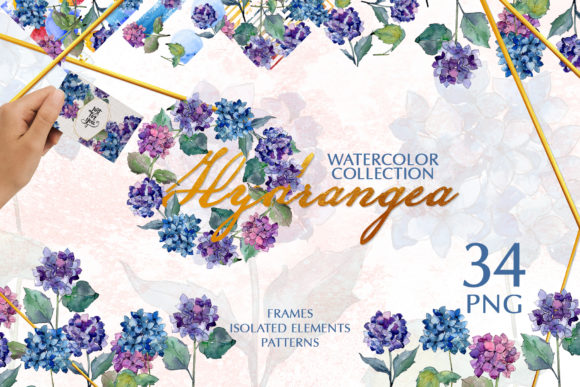
The first thing that stands out about Hydrangea Watercolor is its mood. It feels gentle, romantic, and slightly whimsical—perfect for creating a sense of warmth in your embroidered pieces. The watercolor technique gives the hydrangea flowers a dreamy, blended look that’s far from rigid or overly structured. This design leans more into artistic expression than precise geometric lines, which means it's great for those who appreciate a softer, hand-painted feel in their machine embroidery work.
Visually, the layout is balanced and well-proportioned, making it suitable for both large-scale items like sweatshirts and smaller ones like aprons or baby clothes. The detail level is moderate, with enough texture in the petals to stand out without overwhelming the fabric. That said, the visual personality of this design might not suit every brand or project style, so it's important to consider where it fits best within your creative portfolio.
Real-World Applications and Performance
I tested Hydrangea Watercolor across several common embroidery applications to see how it holds up under different conditions. Here’s how it performed:
- Custom Apparel: On a cotton-blend sweatshirt, the design stitched beautifully with a satin stitch outline and fill stitch petals. The colors remained vibrant, and the watercolor effect added a unique touch that customers would likely find attractive for personalized gifts or boutique-style fashion.
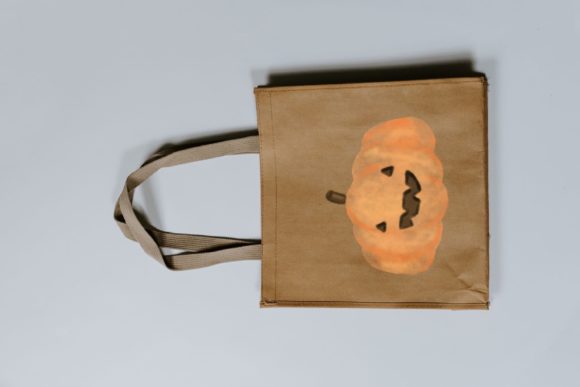
- Tote Bag Design: When applied to a linen tote, the hydrangeas looked elegant and complemented the natural texture of the fabric. However, I noticed that some of the finer details blurred slightly due to the weave. A lighter stabilizer helped maintain clarity.
- Baby Embroidery: For a custom baby blanket, I paired the design with pastel thread colors. The result was delicate and charming, fitting perfectly for nursery decor or holiday gifts. But because the design has some intricate shading, I recommend avoiding stretchy or thin fabrics here.
- Embroidered Patch: Translating the design onto felt for a patch worked surprisingly well. The watercolor gradients softened nicely when using multiple shades of floss, but I’d caution against using it on very small patches unless you’re willing to simplify parts of the design manually.
- Sweatshirt Embroidery: Stitching on the back of a hoodie gave it a bold yet subtle statement. The larger format allowed the full beauty of the illustration to shine, especially when using a light-colored base fabric.
Design Clarity and Customer Appeal
One of the key strengths of Hydrangea Watercolor is its ability to enhance the perceived value of any finished product. Whether used as part of a printable mockup or directly on an embroidered patch, the design adds a professional and artistic flair. Customers often respond positively to watercolor motifs, finding them refreshing compared to traditional digitized florals. It can elevate a simple tote bag design into something memorable or turn a basic apparel decorator job into a standout item in an Etsy listing.
From a branding perspective, this design could serve as a signature motif for a craft business or small shop product line that focuses on home goods, baby items, or seasonal décor. Its gentle tones and soft edges align well with minimalist and bohemian aesthetics, which are currently popular among creative entrepreneurs and handmade shop owners.
Where to Use with Caution
While Hydrangea Watercolor is versatile, there are certain scenarios where it may require careful handling or even customization before use:
- Small Hoop Sizes: The design includes fine details that can become lost when scaled down. If you're working with tight space constraints, such as a cap or tiny corner embellishment, be prepared to adjust the design or focus on key elements only.
- Textured Fabrics: On woven or textured surfaces, the gradients in the petals may not render as smoothly. You’ll need to test it on fabric swatches to ensure the final piece meets your quality standards.
- Dark Fabric Backgrounds: While the design works on light fabrics, the soft hues may not pop as much on darker bases. Consider using contrasting thread colors or simplifying the gradient areas for better visibility.
- Curved Surfaces: As with most detailed illustrations, applying this design to curved surfaces like hats or caps can distort the shape if not properly adjusted. Always check the design’s scalability and alignment in these cases.
- Frequent Washing: If the item is intended for everyday use—like kitchen towels or baby clothes—be mindful of the stitch density and thread durability. Some of the more delicate running stitches may fray over time, especially if not backed correctly.
Designer Notes and Best Practices
If you're planning to use Hydrangea Watercolor in your next embroidery project, here are a few practical tips I’ve picked up from years of experience:
- Test on Scrap Fabric: Before committing to a client order or production run, stitch a sample on the same type of material you plan to use. This helps identify issues with thread color contrast or stabilizer requirements early on.
- Review Stitch Density: Pay attention to dense areas, especially around the center of the flowers. Too much stitch coverage can lead to puckering or stiffness, particularly on stretchy or thin fabrics.
- Confirm Hoop Size: Make sure the recommended hoop size matches your machine capabilities. If it doesn’t, you may need to split the design or adjust the layout to avoid stretching or misalignment.
- Inspect Small Details: The watercolor effect relies on subtle shading and fine lines. These can be challenging on some machines or at lower stitch counts. Be sure to zoom in and verify each layer of the embroidery file.
- Use Proper Stabilizer: Especially on medium to heavy weight fabrics, a tear-away or cut-away stabilizer is essential to prevent distortion and support the intricate parts of the design.
- Test in Black and White: To understand how the design will look if printed or used digitally (e.g., in a printable mockup), test it in grayscale. This ensures the composition remains visually engaging even without color.
- Check Licensing Before Selling: If you're an Etsy seller or planning to offer this as a commercial embroidery asset, make sure the license allows for resale of the finished product or distribution of the digital embroidery file.
Thread Color Suggestions
To maximize the impact of Hydrangea Watercolor, choose thread colors that mimic the soft palette of the original illustration. Shades of lavender, blue, pink, and cream work particularly well for a realistic effect. However, don’t hesitate to experiment with bolder combinations if your brand or product requires it. Just remember to preview the colors on a similar fabric background to avoid surprises.
Final Thoughts on Project Suitability
Hydrangea Watercolor isn’t a one-size-fits-all solution, but when used appropriately, it can add a touch of sophistication to many handmade items. From holiday embroidery to nursery decor, this design has a place in thoughtful, customer-facing embroidery projects.
For commercial embroidery purposes, I recommend pairing it with high-quality materials and ensuring your machine settings are optimized for the design’s complexity. For personalized gifts or custom apparel, it’s a safe bet for adding charm and uniqueness to your offerings.
Overall, this is a design that speaks to the heart of what makes machine embroidery special—not just precision, but also artistry and emotion. With the right approach, it can help you create products that customers not only admire but also want to gift, keep, and talk about.