Cacti Watercolor Set Embroidery Design Review
As an embroidery designer with years of experience in both personal and commercial projects, I approach new designs like the Cacti Watercolor Set with a critical eye. It’s not just about how beautiful the design looks on screen—it's about how it translates to fabric, how it behaves under different stitching conditions, and whether it adds real value to the final product. Let me walk you through my evaluation of this machine embroidery design based on practical use and visual impact.
First Impressions: A Soft, Natural Feel
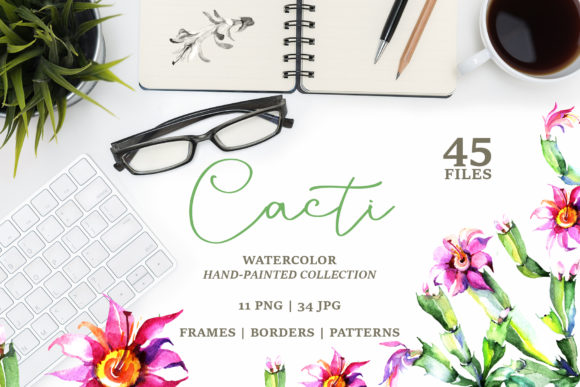
The moment I opened the digital embroidery file for the Cacti Watercolor Set, I felt a sense of calm and creativity. The soft edges and blended hues give it a hand-painted aesthetic that feels modern yet timeless. This is one of those illustrations that immediately suggest a lifestyle or wellness theme—perfect for handmade products aimed at the bohemian or minimalist crowd.
The layout is balanced, with enough negative space to allow for easy placement on various items. The cactus shapes are stylized but recognizable, which means they’ll resonate well with customers who appreciate subtle, artistic details. The level of detail isn’t overwhelming, but there are enough gentle lines and color transitions to make the design feel premium without being too complex.
What Project Fits Best?
I often test new designs on tote bags as a benchmark, and the Cacti Watercolor Set did impress here. Imagine a linen canvas tote with this watercolor set stitched along the bottom seam. The soft pastel tones pop against the natural fabric, creating a vibe that screams “handmade” and “thoughtful.” It’s also versatile enough for baby clothes, especially onesies or sleeper sets, where the whimsical yet serene look can add charm without being too bold.
Real-World Application and Performance
When considering how this design will perform across different mediums, I start by thinking about stitch types. The Cacti Watercolor Set uses a combination of satin stitch and fill stitch, which gives it dimension while maintaining clarity. The running stitch elements are minimal and mostly used for outlines, so they don’t interfere with the overall flow of the piece.
On a sweatshirt made from medium-weight cotton, the design stitches cleanly and holds its shape well. There’s no distortion or puckering if the right stabilizer is used. I found that using a tear-away stabilizer behind the main image was sufficient for most garments, but a wash-away might be better for lighter or stretchier fabrics.
This illustration works particularly well for custom apparel and personalized gifts. For instance, when applied to a pillow cover or tea towel, the watercolor effect brings a touch of elegance that elevates the item from basic craft to boutique-worthy decor. Its muted palette also makes it a good fit for holiday gifts and nursery embroidery, where understated beauty is key.
Etsy sellers and small shop owners may find this design useful for branding purposes. The consistent style across the set allows for multiple applications—think matching aprons and caps for a plant-themed line. As part of a cohesive collection, the Cacti Watercolor Set could become a signature element of your craft business offerings.
Where to Use With Caution
While the Cacti Watercolor Set has broad appeal, it’s important to know its limitations. Here are some situations where extra attention is needed:
- Small hoop sizes: The design’s delicate features require a decent amount of space to render clearly. If you’re working within tight dimensions, consider resizing or focusing on just one section of the illustration.
- Textured fabrics: Fabrics like flannel or denim can distort the fine lines of the design. Always do a test run before committing to production.
- Thin or stretchy materials: These can cause slight shifting during stitching, affecting the precision of the watercolor blending.
- Dark backgrounds: The soft colors may lose their vibrancy. Make sure the thread colors contrast well with the fabric base.
- Curved surfaces (like hats): The design’s layout is best suited for flat areas. On curved surfaces, the alignment and proportions may need adjustment.
Also, because the design includes some intricate detailing, it’s not ideal for items that will undergo frequent washing or heavy wear unless you reinforce the back with a strong stabilizer. Think twice before using it on layered garments or anything where the top layer might shift independently.
Visual Appeal and Stitching Clarity
One of the strengths of the Cacti Watercolor Set is its visual balance. It doesn’t demand too much attention but still stands out when placed correctly. The blend of greens and earthy tones creates a harmonious palette that appeals to a wide audience. Whether it’s a tote bag design or a decorative accent on a blanket, the design maintains its integrity and charm.
Stitch clarity is another factor I focus on. In tests, the satin-stitched parts held their shape nicely, and the fill sections didn’t bunch up or appear uneven. However, the stitch density is moderate, so on very thin or slippery fabrics, you might need to adjust settings or stabilize more carefully to avoid pulling.
Customer Trust and Brand Consistency
In today’s market, consistency is everything. Using the same embroidery file across multiple products helps build brand recognition. The Cacti Watercolor Set offers a unified look that can work well for collections centered around nature, sustainability, or home décor. Customers tend to trust brands that present a cohesive identity, and this design supports that goal beautifully.
For handmade shop owners and creative entrepreneurs, the ability to offer high-quality, repeatable designs is crucial. The Cacti Watercolor Set provides just that—a reliable machine embroidery design that you can confidently include in your design assets library. When used properly, it enhances the perceived professionalism of your finished product.
Practical Designer Notes
Before using the Cacti Watercolor Set in any project, here are a few things I always check:
- Test on scrap fabric first: Especially if you're planning to use it on a unique material or garment type.
- Check thread color contrast: Ensure the chosen threads stand out against your fabric choice.
- Review stitch density: Adjust if you're working with a fabric that needs less tension or more support.
- Confirm hoop size: Some machines have minimum requirements; verify compatibility with your setup.
- Inspect small details: Look closely at the finer lines and curves to see if they stitch smoothly.
- Test black and white mockups: This helps assess how the design will look without color.
- Compare light and dark fabric backgrounds: See how the colors interact and choose accordingly.
- Use proper stabilizer: Depending on the fabric, you may need more than just tear-away.
- Check licensing terms: Before selling finished items or offering the digital embroidery file for resale, ensure you understand what’s allowed.
Final Thoughts for Real Projects
The Cacti Watercolor Set isn’t just a pretty picture—it’s a functional and aesthetically pleasing embroidery design that can serve a variety of purposes. From commercial embroidery to small-batch creations, it has the versatility to adapt while maintaining its visual character.
If you're an Etsy seller or someone running a small shop product line, this set can help you differentiate your offerings in a crowded marketplace. Just remember that thoughtful application matters. The right fabric, stabilizer, and placement can turn this into a standout feature of your handmade product, while poor choices can mute its potential.
Overall, the Cacti Watercolor Set earns a place in my design toolkit. It’s not perfect for every scenario, but when used appropriately, it adds a quiet confidence to any embroidered project. So go ahead, give it a try—but test first, plan second, and stitch smart.