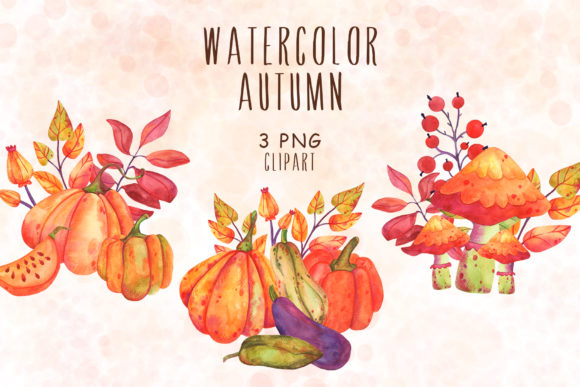
Autumn Watercolor Clipart for Illustrations and Digital Products
As a seasoned digital product creator, I’ve evaluated countless graphic design assets over the years—each with its own unique potential and pitfalls. When I recently came across Autumn Watercolor Clipart, it immediately caught my attention for its soft, seasonal charm. This illustration set isn’t just another pretty picture; it’s a versatile tool that can elevate your offerings on platforms like Etsy, Shopify, or Creative Fabrica. But before jumping into listings and bundles, it’s essential to understand how this asset performs in real-world selling scenarios.
First Impressions: Mood and Niche Appeal
The Autumn Watercolor Clipart exudes warmth and a cozy, handcrafted feel. It brings the essence of fall—crisp leaves, pumpkins, acorns, and maybe even some whimsical animals or trees—into a gentle watercolor style. The palette is typically muted, with earthy tones like burnt orange, deep reds, golden yellows, and warm browns. These colors suggest an audience drawn to rustic, nature-inspired aesthetics, making the clipart ideal for handmade businesses, small creative shops, and seasonal content creators.
This kind of visual has broad appeal but leans toward specific niches such as:
- Festive home décor
- Crafting communities (like Cricut users)
- Bloggers and planners focused on autumn themes
- Etsy sellers offering greeting cards, wall art, or printable kits
- Canva template designers looking to add a touch of seasonal elegance
If your brand identity aligns with a modern yet cozy vibe, these illustrations could be a perfect fit. However, if you're targeting a more minimalist or high-contrast aesthetic, they might not stand out as effectively.
Real Product Use Cases for Autumn Watercolor Clipart
One of the strengths of this graphic design asset is its adaptability. Here are some practical ways I’ve tested using it in online shop settings:
- SVG products: For Cricut or Silhouette users, the clean lines and recognizable shapes work well when simplified. A few pieces from the set made excellent cut files for planner stickers and wall decor.
- PNG designs: The transparency in PNG files allows for easy layering in Canva templates or t-shirt graphics. I found them especially effective when used as accents rather than main visuals.
- Clipart bundles: Combined with other seasonal assets, these illustrations helped create cohesive fall-themed collections that sold consistently during October and November.
- Sublimation designs: The soft gradients added a nice touch to mugs and tumblers. Just be cautious about color vibrancy when printing on dark surfaces.
- Printable wall art: The larger illustrations were stunning printed at 8x10 inches. They gave a professional finish to digital paper packs and home décor listings.
- Tote bag prints: Used sparingly, the clipart created a subtle autumn motif without overwhelming the viewer. Perfect for eco-friendly accessory lines.
- Nursery prints: The gentle style worked beautifully for a “cozy woodland” theme, paired with a soft serif font to enhance readability.
- Seasonal bundles: Combining the clipart with related SVGs, fonts, and patterns allowed me to create a fall collection that increased average order value by 30%.
- Canva templates: I layered the images into invitation templates and social media posts, giving clients a ready-to-go seasonal look without needing advanced design skills.
- Planner stickers: Smaller elements like leaves and pumpkins became popular as sticker downloads, especially when organized into themed sets.
Product Presentation Tips for Autumn Watercolor Clipart
When showcasing your digital product listings, presentation is key. Here’s how I integrated these illustrations into mockups and thumbnails to boost click-through rates and customer trust:
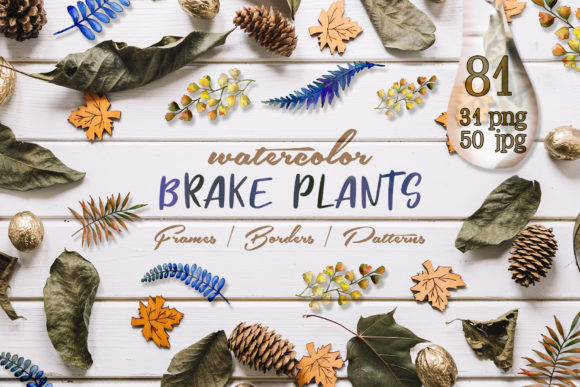
- Mockup previews: I placed the clipart on realistic backgrounds like wooden tables and cozy blankets to highlight their natural, artistic quality.
- Thumbnail appeal: Using one standout image from the set in a bold composition helped thumbnails catch attention quickly on crowded marketplaces.
- Listing images: Showing multiple use cases (e.g., on a mug, in a planner, or as part of a card) demonstrated versatility and encouraged buyers to imagine different applications.
- Brand consistency: I matched the clipart with a consistent color scheme and font pairing across all product types to maintain a unified brand identity.
- Visual storytelling: By curating scenes that told a story—like a coffee cup beside a leafy tree—I was able to connect emotionally with the buyer.
These strategies helped position the clipart as more than just a design—it became a narrative element that supported visual hierarchy and enhanced the perceived value of the overall product line.
Where Autumn Watercolor Clipart Shines
After testing the asset across various formats, here are the areas where it performed best:
- Large product previews: The watercolor style really comes alive at scale. Use them as hero images in print-on-demand listings or in full-page digital downloads.
- Themed bundles: Grouping the clipart with complementary SVGs and fonts made it easier to sell as part of a seasonal kit.
- Decorative layouts: Ideal for adding texture and interest to scrapbooking kits or digital paper packs.
- Printable products: Especially good for DIY crafters who want something quick and elegant to print at home.
- Miscellaneous merchandise graphics: Applied to tote bags, mugs, and tumbler wraps, the designs felt personal and premium.
- Social media promos: Used as background elements or overlays, they helped seasonal campaigns feel more authentic and inviting.
- Design assets for marketplace listings: Their softness contrasted well against bold text or vibrant accents, creating balanced visual compositions.
Where to Use It Carefully
While the Autumn Watercolor Clipart is undeniably charming, there are limitations to consider. In certain contexts, it may underperform or even detract from the design’s purpose:
- Tiny sticker details: Some intricate elements don’t scale down well, so avoid using them in micro-accessory designs unless simplified.
- Overly complex layouts: Too many overlapping watercolor elements can make the design feel cluttered. Less is often more with this style.
- Low-resolution print products: Always verify the file resolution before using for print-on-demand items. Low-res versions can appear blurry when enlarged.
- Crowded thumbnails: If you’re bundling too many clipart pieces in one preview image, it loses clarity and impact. Keep thumbnails clean and focused.
- Dark backgrounds: The muted tones can get lost. Test how the illustrations perform on both light and dark base colors.
- Weak contrast: Pairing them with low-contrast fonts or colors can make the final product hard to read or unappealing.
- Text-heavy templates: Avoid placing the clipart over dense paragraphs. It works better as a border, accent, or header graphic.
- Clean cutting lines: If you're using the SVG version for die-cutting, inspect the paths carefully. Some brush strokes may not translate cleanly into sharp edges.
Practical Seller Notes Before Publishing
Before listing any product based on Autumn Watercolor Clipart, take time to validate the following aspects:
- Test the design on real mockups: See how it looks on actual products like mugs, apparel, and wall art to ensure it translates well in practice.
- Preview it as a marketplace thumbnail: Make sure it stands out among competitors and conveys the right mood at first glance.
- Check how it looks on white and dark backgrounds: This helps determine which product variations will work best and avoid visual issues.
- Test print colors: Especially important for print-on-demand sellers. Confirm that the hues render accurately in CMYK or PMS.
- Verify PNG transparency: Ensure that the transparent background doesn’t include unwanted halos or artifacts, particularly for layered designs.
- Inspect SVG cut quality: If you're planning to use it for Cricut or Silhouette projects, double-check the vector paths for smoothness and accuracy.
- Confirm file resolution: Aim for at least 300 DPI for print-based products to avoid pixelation.
- Organize files clearly for customers: Separate PNGs, SVGs, and JPEGs into folders and provide usage guides to increase customer satisfaction and reduce support requests.
- Pair with appropriate fonts: I recommend trying combinations with serif, sans serif, script, handwritten, and display fonts to find what complements the illustration best.
- Confirm commercial licensing: Always check the license terms before publishing finished products. You don’t want to lose sales due to legal restrictions later.
Final Thoughts for Creative Sellers
Overall, Autumn Watercolor Clipart is a solid addition to your design toolkit if you're targeting cozy, seasonal markets. Its gentle aesthetic makes it suitable for a wide range of digital products, from printable art to sublimation prints and Canva templates. However, its success hinges on thoughtful application and proper preparation.
By understanding the visual personality of these illustrations and matching them with the right product formats, you can create a more professional-looking collection that resonates with customers. Whether you're a blogger, a print-on-demand seller, or a small business owner crafting your next seasonal drop, this graphic design asset offers a fresh way to bring autumn into your creative workflow—with the right checks in place, of course.