Amaryllis Watercolor: A Delicate Embroidery Design for Thoughtful Projects
As an embroidery designer and product reviewer, I often find myself evaluating how a design will translate from screen to fabric. Amaryllis Watercolor is one of those designs that immediately catches the eye with its soft elegance and painterly charm. It’s not just another floral pattern—it brings a sense of warmth and artistry that feels right at home in both personal and professional embroidery projects.
First Impressions and Visual Personality
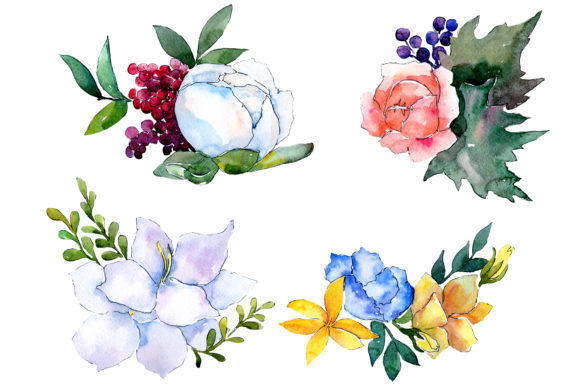
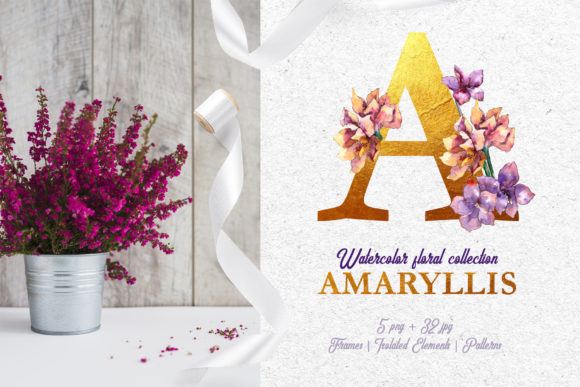
The first thing that stands out about Amaryllis Watercolor is its mood. This design has a dreamy, watercolor aesthetic that suggests creativity, femininity, and a touch of vintage inspiration. The amaryllis flower is rendered in flowing, translucent strokes that mimic brushwork on paper. Its layout is generous, allowing room for visual breathing, which makes it ideal for larger surfaces or pieces where you want the design to stand out without overwhelming the viewer.
From a practical standpoint, the detail level is just right—enough texture to feel artistic but not so intricate that it becomes difficult to stitch cleanly. The theme is versatile enough to work across seasons and occasions, making it a solid choice for anything from holiday gifts to boutique branding elements. As an embroidery file, it carries a certain personality that elevates the finished product beyond a simple logo or monogram.
Real-World Applications
I recently considered using Amaryllis Watercolor for a custom embroidered sweatshirt order. The client wanted something unique but still wearable—something that felt like a personal signature rather than mass-produced flair. This design fit perfectly. The gentle color gradients and fluid lines gave the piece a handcrafted feel, while the overall structure ensured it would remain legible after stitching.
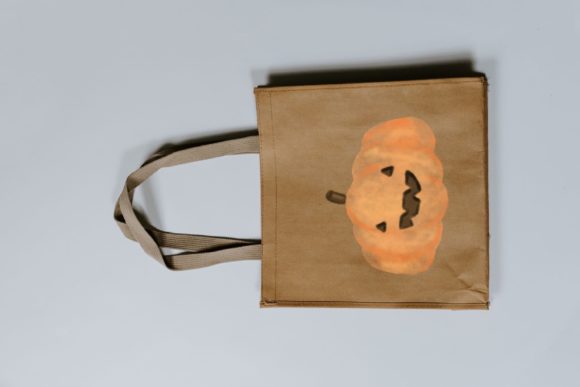
Custom apparel like t-shirts and sweatshirts benefit greatly from this kind of soft, romantic look. Similarly, tote bags become more appealing when adorned with a watercolor-style illustration that doesn’t shout but instead invites a closer look. For baby clothes or nursery decor, Amaryllis Watercolor adds a soothing, artistic presence that feels safe and nurturing.
In the world of handmade products, such as aprons, pillow covers, or tea towels, this design can serve as a subtle yet powerful statement. It works especially well as an applique design, where the watercolor effect can be enhanced through layered satin stitches or even hand-sewn details. For Etsy sellers or small shop owners, it's a great addition to gift items or seasonal collections, particularly around holidays or weddings.
Stitching Clarity and Fabric Compatibility
One of the things I always check is how the design performs on different fabrics. Amaryllis Watercolor handles mid-weight cottons and blends exceptionally well, especially when using quality stabilizers. However, if you're working with thin or stretchy materials, you’ll need to adjust your approach. Dense areas might require extra support, and the flow of the watercolor could get distorted if not properly stabilized.
For dark fabric backgrounds, thread contrast is key. While the design offers a range of thread colors, it’s worth testing the visibility on black or navy bases before committing. On lighter fabrics, the natural pastel tones really shine and maintain their soft, artistic essence.
Where Caution Is Needed
Despite its beauty, there are some scenarios where Amaryllis Watercolor may not perform as expected. If you're planning to use it in a small hoop size, the design’s expansive layout might get cramped, leading to lost detail or awkward proportions. Textured fabrics like denim or canvas can also challenge the smoothness of the watercolor effect unless you choose the right thread weight and tension settings.
Curved surfaces such as caps or hats are tricky because the design relies on straight-line clarity. You'll need to carefully consider placement and scale to avoid distortion. Additionally, any project involving frequent washing—like baby clothes or kitchen towels—should be approached with care. Always test how the design holds up after multiple wash cycles to ensure durability and visual integrity.
Design Value and Customer Perception
When it comes to product value, Amaryllis Watercolor enhances the perceived quality of a handmade item. Customers tend to associate watercolor-style illustrations with thoughtful, artisanal work, which can increase buyer engagement and trust in your brand. Whether you're creating personalized gifts or commercial embroidery for resale, this design adds a layer of sophistication that stands out in crowded markets.
What I appreciate most is how it supports brand consistency for craft businesses. The muted tones and elegant form make it easy to pair with other minimalist or nature-inspired motifs. When used consistently across design assets like patches, tote bags, or printable mockups, it helps create a cohesive visual identity that customers can recognize and return to.
Professional Use and Creative Control
For someone running a craft business or managing an Etsy store, the ability to offer a design that looks professional yet intimate is invaluable. Amaryllis Watercolor gives that balance. It's not too whimsical, nor is it overly formal. That middle ground is perfect for boutique merchandise, especially when paired with clean typography or simple accents.
However, don’t underestimate the importance of testing. Before sending this into production, I recommend trying it on scrap fabric to see how the stitch density affects the final look. You might also want to review the design in black and white to assess how it translates under different lighting or when printed as part of a digital product preview.
Designer Tips for Getting the Most Out of Amaryllis Watercolor
- Test on scrap fabric to understand how it behaves with your machine and thread choices.
- Use a high-quality stabilizer to prevent puckering or distortion, especially on delicate or stretchy materials.
- Review the hoop size requirements to ensure the full design fits comfortably without stretching.
- Check thread color contrast against your chosen fabric base—especially for darker or textured surfaces.
- Inspect small details in the design, like petal edges or shading, to confirm they stitch clearly.
- Consider how the design interacts with decorative accents—does it blend seamlessly or clash?
- Always confirm licensing terms before selling the finished product or offering it as a digital embroidery file for others to use.
Final Thoughts
Amaryllis Watercolor is a standout machine embroidery design that brings a refined, artistic edge to your projects. It’s not a flashy, bold statement piece, but rather a quiet confidence that appeals to buyers looking for meaningful, handcrafted additions to their wardrobe or home décor.
Whether you're preparing sweatshirt embroidery, designing a line of holiday gifts, or adding a touch of class to small shop products, this design deserves a place in your collection. Just remember to adapt it thoughtfully to your specific needs—because no matter how beautiful the file, it’s the execution that turns it into a cherished illustration on fabric.
By considering fabric type, hoop size, and stitch behavior, you’ll unlock the true potential of Amaryllis Watercolor and deliver finished products that feel as good as they look.